
Contact the following healthcare facilities directly:
MS Center Melsbroek
AZ Turnhout
Sint-Trudo Sint-Truiden
AZ Glorieux Ronse
AZ Jan Portaels Vilvoorde
Rehabilitation Hospital Inkendaal
28 April 2026

© AZ Sint-Maria Halle
An emergency department is a constantly changing environment. Patients arrive through different channels, care needs vary significantly in urgency, and teams must continuously know who is waiting, which actions are underway and where follow-up is required. In such a setting, the set-up the centralised electronic health record (EHR) determines how smoothly information flows, how quickly healthcare professionals can respond and how effectively the department can manage its capacity.
At AZ Sint-Maria Halle, Nexuzhealth Hospital: CWS has served as the hospital’s centralised electronic health record for many years. While Nexuzhealth Hospital: CWS had already been supporting hospital operations for many years, the emergency department saw opportunities to better tailor the platform to the realities of emergency care, where patients, priorities and workflows are constantly evolving.
The emergency department at AZ Sint-Maria Halle treats more than 30,000 patients every year. Following registration and triage, patients generally enter one of two pathways: treatment and discharge by the emergency department itself, or admission and further specialist follow-up.
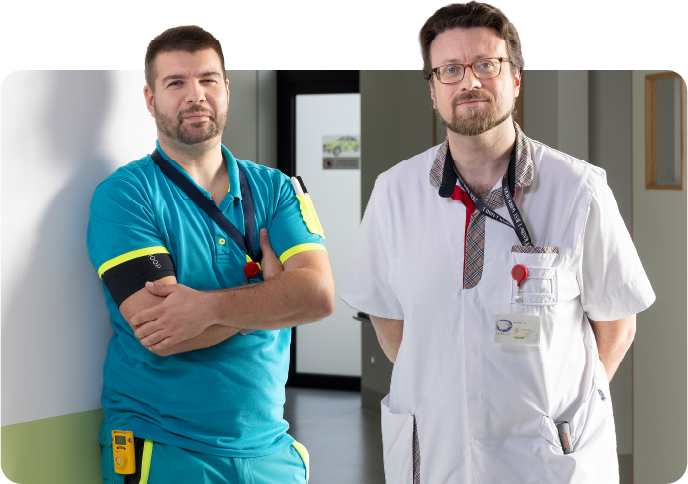
Managing this environment requires continuous real-time visibility. Pascal Hoddaers, Head Nurse of the Emergency Department, describes the daily reality: “On the emergency department, the team constantly needs to know who is where, what has already happened and what still needs to happen. As soon as that overview becomes fragmented, the impact is immediately felt throughout the department.”
Previously, some of that information was spread across multiple screens, workflows and paper-based documents. Although triage was part of the emergency care process, it was not yet sufficiently integrated into the broader patient journey. As a result, triage remained too much of a standalone step, even though the information collected during that first patient contact plays a crucial role in guiding treatment decisions, patient flow and ongoing care.
Pascal Hoddaers continues: “The digital floor plan and existing dashboards could also have been better aligned with the day-to-day reality of the department. Referral letters still regularly ended up in paper files and were only scanned into the system later. Physicians and nurses often had to switch between different screens to consult, record or transfer information.”
Pascal Hoddaers
Head Nurse Emergency Department, AZ Sint-Maria Halle
© AZ Sint-Maria Halle
The optimisation project started with a close look at the day-to-day reality of the emergency department. Nexuzhealth spent time on-site, analysed existing workflows and worked alongside physicians, nurses, administrative teams, pharmacy, laboratory, medical imaging and IT departments to map the complete patient journey, from registration and triage through to treatment, handover, follow-up and administrative completion.
That broad perspective proved essential, explains Ingrid Mertens, Programme Manager and Project Lead at AZ Sint-Maria Halle: “The initial request focused mainly on triage, but as the project progressed, additional opportunities for improvement emerged. We identified not only process bottlenecks but also untapped potential: areas where the existing configuration could be better aligned with the way the emergency department operates.”
“The strength of this project lies in translating real clinical needs into a solution that is fully supported within Nexuzhealth Hospital: CWS, through close collaboration between all stakeholders.”
Director ICT, Biotechnology and Innovation, AZ Sint-Maria Halle
AZ Sint-Maria Halle deliberately opted for a phased approach with incremental deliveries. For Marijn Geeroms, this way of working was key to building momentum and user support: ““By working in short cycles, we were able to deliver tangible improvements much faster and make adjustments whenever necessary. Improvements were immediately tested in practice rather than remaining theoretical. The willingness of Nexuzhealth to work in this way created significant added value for us.”
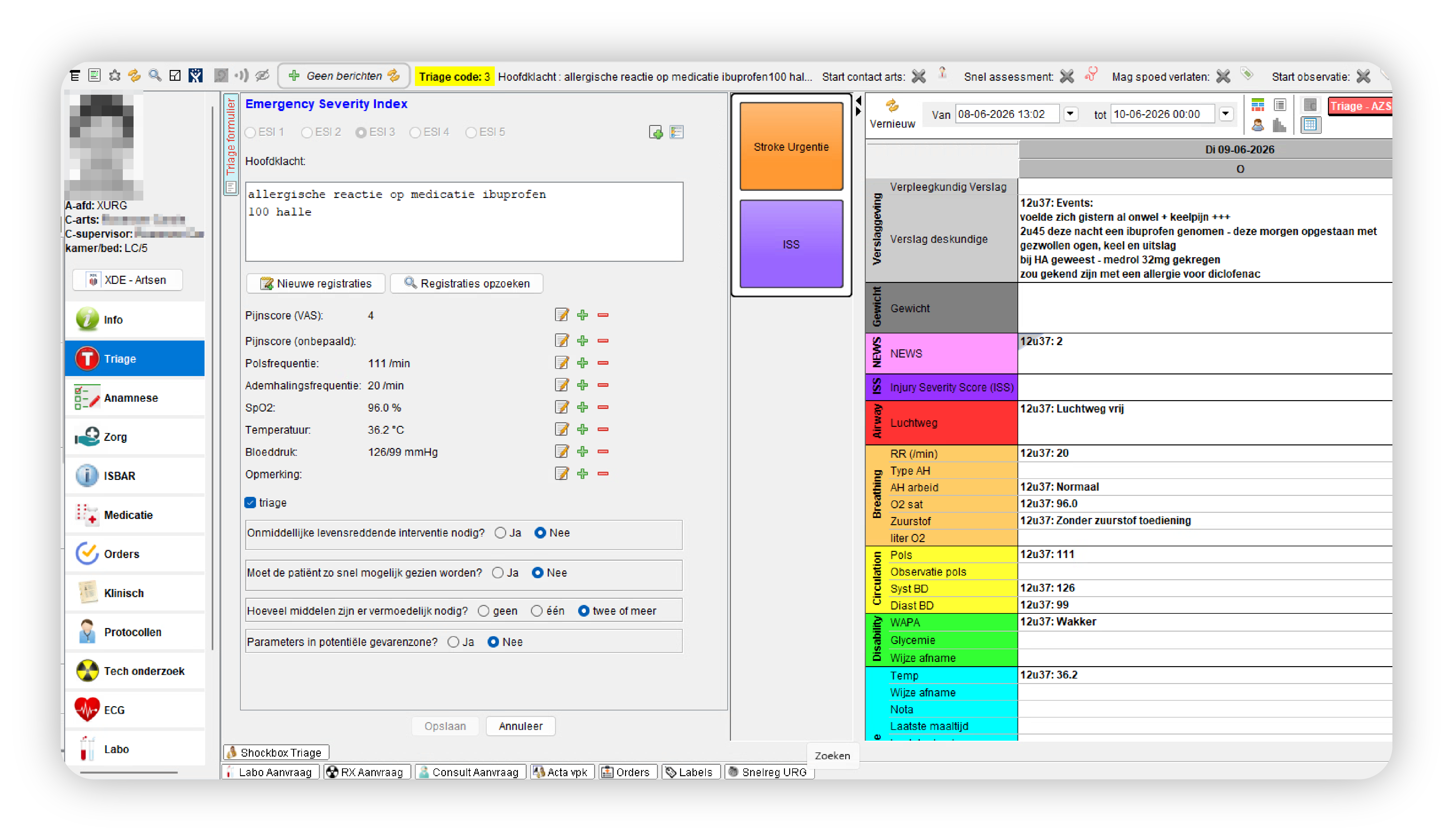
One of the most significant changes is now found at the very start of the patient journey. The redesigned triage view gives nurses access, from a single intuitive screen, to the information and actions they need during the first patient contact. Pascal Hoddaers explains: “You switch less between screens, work in a more structured way, and the information you register immediately becomes available for the next steps in the care pathway.”
From this dashboard, nurses can systematically assess patients, register clinical information, initiate laboratory and imaging requests, add protocol-based medication and review home medication and allergies. As a result, triage has evolved from a standalone registration step into the central starting point of the entire emergency care pathway.
Thomas De Poorter, Application Manager at AZ Sint-Maria Halle, adds: “This setup also supports the autonomous decisions that triage nurses are authorised to take within clearly defined protocols, further improving the efficiency of our emergency department. Information recorded during the first patient contact is immediately available for treatment, follow-up and any subsequent admission.”
AZ Sint-Maria Halle also redesigned the digital floor plan and the clinical dashboard within Nexuzhealth Hospital: CWS, with a strong focus on usability and ergonomics.
“The redesigned dashboard brings together patients, statuses and outstanding actions in a much clearer way. Colour coding shows which physician is responsible for which patient, who still needs to be seen and which requests remain outstanding. For imaging requests, for example, the team can immediately see whether a request has been sent, received, completed or validated. This significantly reduces the need for physicians and nurses to check separately where a patient or request is within the process,” says Pascal Hoddaers.
The new approach also supports capacity management. By bringing patients and actions together in a single visual overview, the department gains quicker insight into workload, task allocation and patients waiting for the next step in their care journey. This becomes particularly valuable during busy periods when priorities need to be constantly reassessed.
Reporting workflows have also become more user-friendly for physicians.
“For physicians, a major benefit is being able to keep information such as laboratory results or referral details visible while completing reports. We no longer need to constantly navigate back and forth between screens, allowing us to work both faster and more accurately.”
%20AZ%20Sint-Maria%20Halle%20%20-%20dr-Haest%20(2).jpeg?width=614&height=598&name=Urgentie%20(c)%20AZ%20Sint-Maria%20Halle%20%20-%20dr-Haest%20(2).jpeg)
Emergency Physician and key user, AZ Sint-Maria Halle
Follow-up activities also remain visible after a patient has left the department. If reporting, verification or administrative tasks still need to be completed, they remain active within the digital workflow. This reduces the risk of outstanding actions being overlooked during busy periods.
The impact of Emergency Care 2.0 extends well beyond the emergency department. Information that previously travelled on paper or was only digitised at a later stage is now available much sooner within the centralised electronic health record. Referral letters, for example, can be accessed directly by emergency physicians and specialists.
This strengthens continuity of care across departments. When a patient is admitted or referred for specialist follow-up, clinicians can immediately build on information already recorded in the emergency department, including imaging requests, medication, consultation requests, clinical reports and other relevant data.
Dr. Elke Haest explains: “Aftercare has also become part of the digital workflow. For example, when a patient presents with a nosebleed, a follow-up request for the ENT department can immediately be forwarded to the appropriate secretary. The hospital then contacts the patient directly, making follow-up less dependent on what the patient remembers or arranges after leaving the emergency department. That represents a better service for our patients.”
Emergency Care 1.0 |
Emergency Care 2.0 |
| Triage functioned as a separate registration step, with limited information flowing through to the rest of the care process. | Nurse-led triage now serves as the integrated starting point of the entire emergency care pathway. |
| Referral letters containing essential information were only made available digitally at a later stage. | Referral letters are immediately available within the EHR. |
| Laboratory requests, imaging and medication were followed up through separate processes. | Healthcare professionals can initiate and monitor actions from a single dashboard. |
| Limited visibility into patient and request statuses. | Status indicators and colour coding provide an immediate overview of who has been seen, what has been requested and what still needs to happen. |
| Reporting and administrative tasks often required separate follow-up after the patient had left the department. | Outstanding actions remain visible within the digital workflow until they have been completed. |
| Prescribing and administering medication involved multiple manual steps. | Medication can be prescribed and administered more accurately and efficiently with a single click. |
| Mobile Medical Team (MMT) data was recorded manually on paper. | Mobile Medical Team (MMT) registration is now fully digital and also supports future PIT (Paramedical Intervention Team) workflows. |
The greatest impact can be seen in the way daily activities now connect more seamlessly. Triage is fully integrated into the digital workflow, information becomes available more quickly and status indicators provide a clear view of where patients, requests and tasks are within the process.
For nurses, this means less time spent searching for information and greater support during the first patient contact. Physicians gain a clearer overview of their patients and can complete reports more efficiently. Administrative and support teams can identify required follow-up actions more quickly. Patients benefit from a more consistent care journey, with less risk of information or aftercare requirements being overlooked.
The redesigned dashboard also contributes to more effective capacity management. With better visibility into patients, tasks and statuses, teams can prioritise more effectively and assess workload more accurately. This is particularly valuable during periods of high patient volumes, when the department must respond quickly to changing circumstances.
During a recent exceptionally busy weekend, the emergency department handled a record number of patients. Dr. Elke Haest points to situations like these when discussing the value of Emergency Care 2.0: “When patient volumes surge, the team needs an immediate overview of who is waiting, which actions are underway and where follow-up is required. Had we still been working the way we did before, it simply would not have been manageable.”
Triage dashboard at AZ Sint-Maria Halle
The staff at AZ Sint-Maria Halle also regard the collaboration with Nexuzhealth as a key success factor. For Pascal Hoddaers, one of the greatest advantages was the close follow-up throughout the project, allowing questions and feedback from the department to be discussed quickly and translated into concrete improvements within Nexuzhealth Hospital: CWS.
Dr. Elke Haest particularly highlights the interaction between clinical expertise and system knowledge. By making more targeted use of existing functionality, AZ Sint-Maria Halle has been able to unlock greater value from a digital environment that was already in place.
“We understand the realities and needs of emergency care. Nexuzhealth understands the system and what is technically possible. It was this combination that enabled us to develop solutions that not only make sense within the EHR, but also work in daily practice.”
Emergency Physician and key user, AZ Sint-Maria Halle
With Emergency Care 2.0, AZ Sint-Maria Halle demonstrates how a well-established centralised EHR can continue to evolve alongside the day-to-day realities of an emergency department. By making more targeted use of the capabilities already available within Nexuzhealth Hospital: CWS, the department has gained greater visibility, improved usability and stronger control over patient flow.
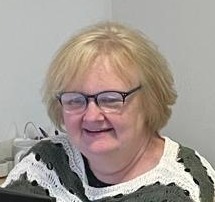
“With Emergency Care 2.0, we fundamentally improved the workflow within Nexuzhealth Hospital: CWS, enabling healthcare professionals to work more efficiently.”
Team Lead ICT Applications & Programme Manager CWS, AZ Sint-Maria Halle
The project continues to evolve. The emergency department is already exploring additional optimisation opportunities, including digital support for stroke protocols and further digitalisation of follow-up processes. At the same time, the approach is providing valuable inspiration for other departments, particularly in areas such as appointment workflows, digital floor plans and capacity management.
This also gives the project a broader strategic dimension, explains Marijn Geeroms: “We are making more targeted use of existing digital investments and using the centralised EHR as a lever to progressively improve care processes. By staying close to clinical practice, implementing improvements in phases and actively involving users, the digital environment can continue to evolve alongside the day-to-day reality of the hospital.”
For AZ Sint-Maria Halle, Emergency Care 2.0 has become a practical example of a broader strategy: continuously refining processes based on real-world experience, creating greater visibility for care teams and more reliable follow-up for patients.
One digital health record for better healthcare
Make a difference
Our experts are ready to brainstorm with you about how Nexuzhealth can make a difference within your organization.
MS Center Melsbroek
AZ Turnhout
Sint-Trudo Sint-Truiden
AZ Glorieux Ronse
AZ Jan Portaels Vilvoorde
Rehabilitation Hospital Inkendaal